
What Happens If a Tourist Needs Emergency Surgery in Australia?
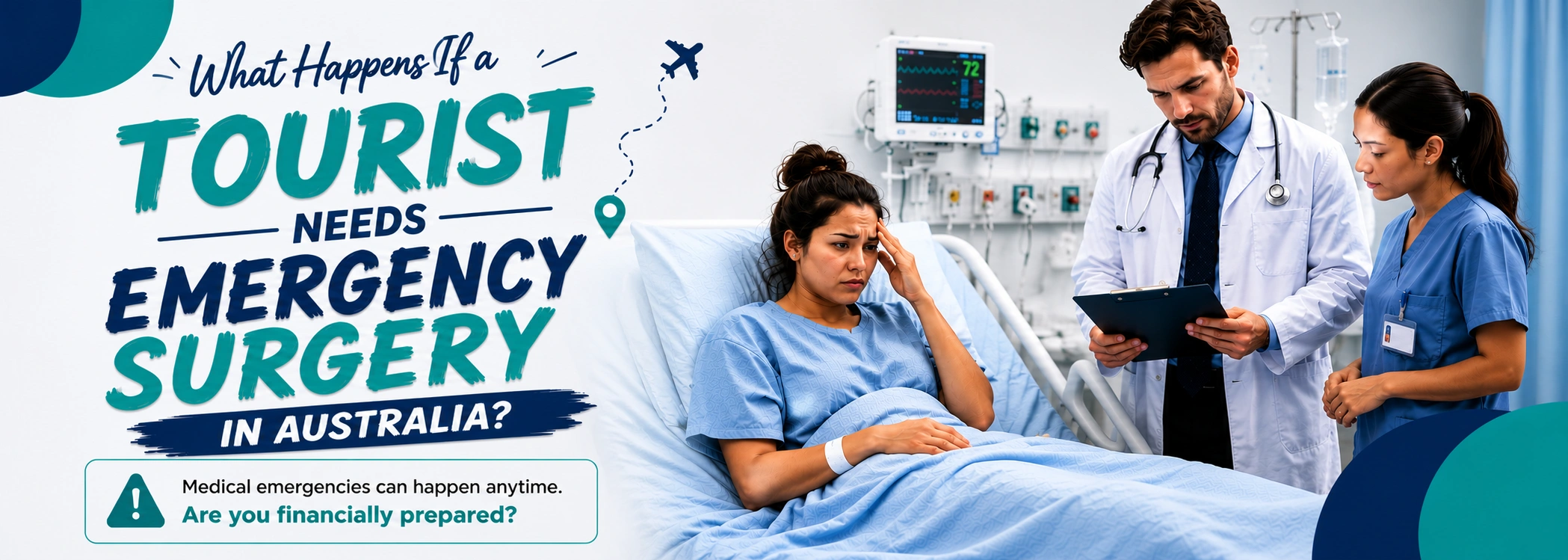
Travelling to Australia can be an exciting experience, whether you're visiting iconic landmarks, spending time with family, or exploring business opportunities. However, medical emergencies can happen unexpectedly, and one of the biggest concerns for overseas visitors is understanding what happens if a tourist needs emergency surgery in Australia.
Emergency surgery can be expensive, especially for visitors who do not have adequate health insurance. This is why understanding your healthcare options and knowing how to compare OVHC and compare OSHC policies before travelling is essential.
Can Tourists Receive Emergency Surgery in Australia?
Yes, tourists can receive emergency surgery in Australia. Australian hospitals are legally required to provide emergency medical treatment when a patient's condition is serious or life-threatening.
If a tourist is involved in an accident, develops appendicitis, experiences severe internal injuries, or requires urgent medical intervention, they will receive treatment regardless of their visa status.
However, receiving treatment and paying for treatment are two different matters.
While emergency surgery may be provided immediately, overseas visitors are generally responsible for the associated medical costs unless they have suitable health insurance coverage.
How Much Can Emergency Surgery Cost in Australia?
Healthcare in Australia is world-class, but it can also be expensive for people who are not covered by Medicare.
The cost of emergency surgery depends on several factors, including:
- Type of surgery required
- Length of hospital stay
- Specialist surgeon fees
- Anaesthetist fees
- Diagnostic tests and scans
- Follow-up treatment and medications
In some cases, emergency surgery and hospitalisation can cost thousands or even tens of thousands of dollars.
This financial risk highlights why many visitors purchase Overseas Visitor Health Cover (OVHC) before arriving in Australia.
What Happens at the Hospital?
If a tourist requires emergency surgery, the process typically follows several stages.
Emergency Assessment
Upon arrival at a hospital emergency department, medical staff will assess the severity of the condition. Patients requiring urgent care are prioritised based on clinical need.
Diagnostic Testing
Doctors may order blood tests, X-rays, CT scans, MRIs, or ultrasounds to determine the cause of the medical issue.
Surgical Consultation
If surgery is required, a specialist surgeon will review the patient's condition and explain the procedure, risks, and expected outcomes.
Emergency Surgery
Once approved, the surgical team performs the procedure as quickly as possible to stabilise or treat the patient.
Recovery and Aftercare
Following surgery, patients remain in hospital until they are medically fit for discharge. Additional follow-up appointments and medication may also be required.
Does OVHC Cover Emergency Surgery?
In many cases, yes.
OVHC (Overseas Visitor Health Cover) is specifically designed for temporary residents, workers, and visitors who need protection against unexpected healthcare costs in Australia.
Depending on the level of cover, OVHC may help pay for:
- Emergency hospital treatment
- Surgeon and specialist fees
- Accommodation costs during hospitalisation
- Ambulance services
- Prescription medicines
- Follow-up treatment
Coverage varies between insurers, so visitors should always compare OVHC policies carefully before purchasing a plan.
Why It Is Important to Compare OVHC Plans
Not all OVHC policies offer identical benefits.
When travellers compare OVHC plans, they should review:
Hospital Cover
Check whether the policy includes comprehensive hospital treatment and emergency surgical procedures.
Benefit Limits
Understand how much the insurer will contribute towards surgery and hospital expenses.
Waiting Periods
Some medical services may be subject to waiting periods depending on the insurer.
Ambulance Benefits
Emergency ambulance transport can be costly and should ideally be included.
Provider Networks
Some insurers have preferred hospital and healthcare provider networks that may offer additional benefits.
Taking time to compare OVHC plans can help visitors avoid significant out-of-pocket expenses during a medical emergency.
What About International Students?
International students in Australia are generally required to hold Overseas Student Health Cover (OSHC).
While tourists use OVHC, students rely on OSHC for healthcare protection during their studies.
This is where many people begin to compare OSHC and OVHC policies to understand the differences.
Compare OSHC and OVHC: What Is the Difference?
Although both types of insurance provide healthcare protection in Australia, they are designed for different groups.
OSHC
OSHC is mandatory for most international students studying in Australia. It helps cover medical and hospital expenses while students are enrolled in an approved course.
OVHC
OVHC is intended for visitors, temporary workers, family visitors, and other temporary visa holders who are not eligible for OSHC.
Coverage Differences
When travellers compare OSHC and OVHC, they often find differences in:
- Eligibility requirements
- Premium costs
- Policy flexibility
- Extras cover options
- Visa-specific requirements
Understanding these differences helps ensure visitors select the most appropriate healthcare cover.
What If a Tourist Has No Health Insurance?
Tourists without health insurance may still receive emergency treatment, but they will generally be responsible for the full cost of care.
This may include:
- Emergency department fees
- Hospital accommodation charges
- Surgery costs
- Specialist consultations
- Ambulance transport
- Medication expenses
For serious medical emergencies, these costs can quickly become overwhelming.
How to Prepare Before Travelling to Australia
Before arriving in Australia, visitors should:
- Review healthcare requirements
- Compare OVHC providers
- Understand policy inclusions and exclusions
- Check emergency contact details
- Carry insurance information at all times
Many travellers also compare OVHC options from providers such as Bupa, Allianz Care, Medibank, NIB, and AHM to find suitable cover.
Final Thoughts
If a tourist needs emergency surgery in Australia, they will receive medical treatment, but the associated costs can be substantial without appropriate insurance.
Having adequate Overseas Visitor Health Cover can help reduce financial stress and provide access to quality healthcare when it matters most. Before travelling, visitors should take time to compare OVHC policies and understand how they differ from student-focused options by choosing to compare OSHC plans where relevant.
A well-chosen health insurance policy can make a significant difference during a medical emergency, allowing travellers to focus on recovery rather than unexpected medical bills.

Recent News Articles
Budget Policy Blog provides valuable content to the conscious students and visitors
Frequently Asked Questions
01. Can tourists get emergency surgery in Australia?
Yes. Australian hospitals provide emergency surgery to tourists when medically necessary. However, visitors may be responsible for treatment costs if they do not have adequate health insurance.
02. How much does emergency surgery cost in Australia for tourists?
Costs vary depending on the procedure, hospital stay, specialist fees, and follow-up care. Emergency surgery can cost anywhere from several thousand to tens of thousands of dollars.
03. Does OVHC cover emergency surgery?
Many OVHC policies provide cover for emergency hospital treatment, surgery, ambulance services, and related medical expenses. Coverage depends on the insurer and policy level.
04. Why should visitors compare OVHC before travelling?
When you compare OVHC plans, you can review hospital cover, benefit limits, waiting periods, and ambulance benefits to find the most suitable protection for your needs.
05. What is the difference between OSHC and OVHC?
OSHC is designed for international students studying in Australia, while OVHC is intended for visitors, temporary workers, and other temporary visa holders.
06. Should international students compare OSHC providers?
Yes. Students should compare OSHC providers to find suitable coverage, pricing, and benefits that meet their visa requirements and healthcare needs.
07. What happens if a tourist has no health insurance in Australia?
Tourists without health insurance may still receive emergency treatment but are generally responsible for paying all associated medical and hospital costs.
08. Is ambulance cover included in OVHC?
Many OVHC policies include ambulance cover, but benefits vary by provider. It is important to compare OVHC plans carefully before purchasing.
09. Can tourists buy OVHC after arriving in Australia?
Yes, many insurers allow visitors to purchase OVHC after arrival, although arranging cover before travelling is recommended.
10. Why is health insurance important for tourists visiting Australia?
Health insurance helps protect visitors from unexpected medical expenses, hospital bills, emergency surgery costs, and ambulance charges during their stay in Australia.

Comments